What to Expect During a Professional Hearing Aid Evaluation

If you’re preparing for a professional hearing aid evaluation, it helps to know that the appointment is designed to answer one important question: what support will help you hear your best in everyday life? While parts of the process can feel detailed, each step gives your audiologist the information needed to recommend hearing solutions that…
Why Do People Miss the Early Signs of Hearing Loss?

Many people miss the early signs of hearing loss because the changes happen gradually. You don’t wake up one morning unable to hear. Instead, you start adapting without realizing it. A conversation feels harder to follow. The television volume creeps up. Someone seems to be mumbling more than they used to. What you’re noticing are…
Giving the Gift of Hearing
One of our favorite parts of the holiday season at Cape Hearing Center is supporting our neighbors through our Gift of Hearing program. This year, we have partnered with Resound to provide hearing aids to community members who need them—so they can fully engage in conversations with their family, friends and loved ones this holiday…
What is Unilateral Hearing Loss?
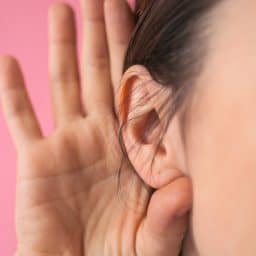
What is Single Sided Deafness? Sometimes referred to as unilateral hearing loss, single sided deafness is a condition in which an individual experiences hearing loss in only one ear but can hear normally out of the other ear. While most patients with a hearing impairment suffer from bilateral (two-sided) hearing loss, SSD affects approximately 60,000…
What is Sudden Hearing Loss?

For most people who experience hearing loss, the condition comes on gradually over a period of years. In rare cases, an abrupt loss of hearing occurs with little or no warning. This condition is known as sudden sensorineural hearing loss (SSHL). What is Sudden Deafness? Sudden deafness is an unexplained and rapid hearing loss that…
What is Noise Induced Hearing Loss?

How Can Sounds Hurt Your Ears? Background sound is a constant in our busy lives. Normally, background noises are at safe levels that do not negatively impact our hearing. But repeated exposure to noise above 85 decibels (dB) can cause noise induced hearing loss. The louder the sound, the less amount of time it takes…